

Michigan Whitetail Herd Takes Another Hit in the Upper Peninsula
Michigan's Upper Peninsula deer herd can't seem to catch a break. According to the Michigan Department of Natural Resources (DNR), the U.P. endured 11 days with at least 12 inches of snow during the winter of 2025-26. That made it the fourth-most severe winter since 2003 and the third-most severe winter in five years.
RELATED:
Mid-March blizzards dumped 3 feet of snow in some areas within two days, while snow lingered into mid-May. Not an issue for those of us with homes and furnaces, but for Michigan's U.P. whitetail, it made surviving a significant challenge.
Michigan Deer Faced Starvation After Deep Snow

Deep snow makes food harder to find, slows deer movement, and drains the fat reserves deer built before winter. DNR biologists examining vehicle-killed deer found widespread signs of starvation, including depleted bone marrow fat.
Fawns were hit first because they're younger and weaker. Malnourished antlerless deer may have also struggled to give birth or produce enough milk, meaning fewer healthy fawns enter the herd in the U.P.
What This Means for Michigan Deer Season
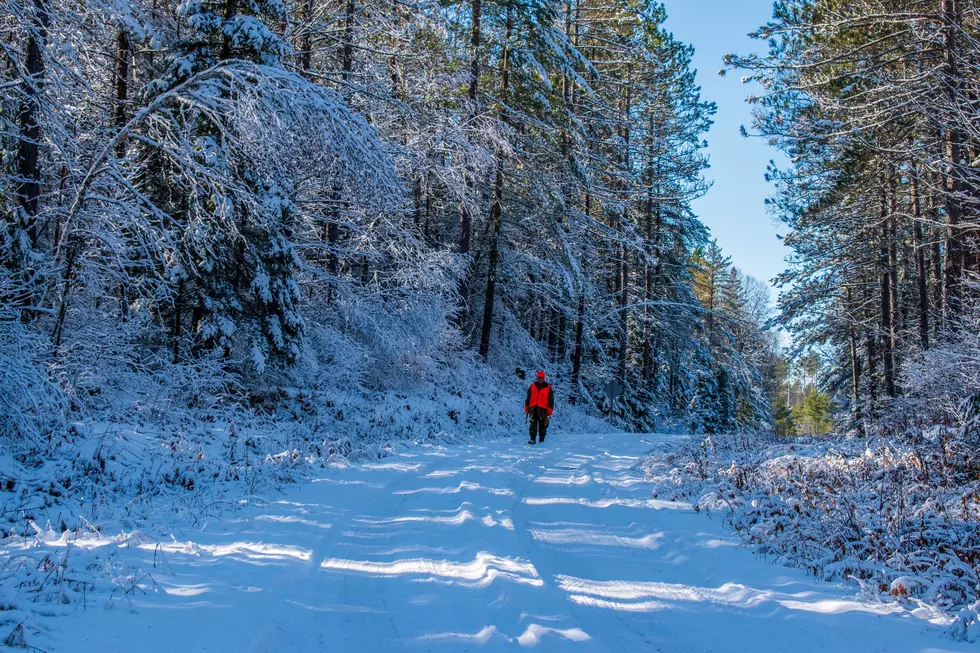
For Upper Peninsula hunters, the 2026 Michigan deer season could require more patience than usual. The DNR says severe winters generally lead to a less successful buck harvest for the following hunting season. After several severe winters, U.P. buck-hunter success declined, reaching a 23-year low of 20% in 2015.
RELATED: Michigan DNR Passes Controversial ‘One Buck’ Rule for 2027
That does not mean every Michigan hunter is doomed to spend November staring at trees and reconsidering breakfast. It does mean fewer deer may be joining the U.P. herd, while those bucks that survived will be tougher to find.
2025 Michigan Deer Season All Seasons Harvest Report
Gallery Credit: Scott Clow
Michigan Car - Deer Collisions: A 5 Year County-by-County History
Gallery Credit: Scott Clow

